
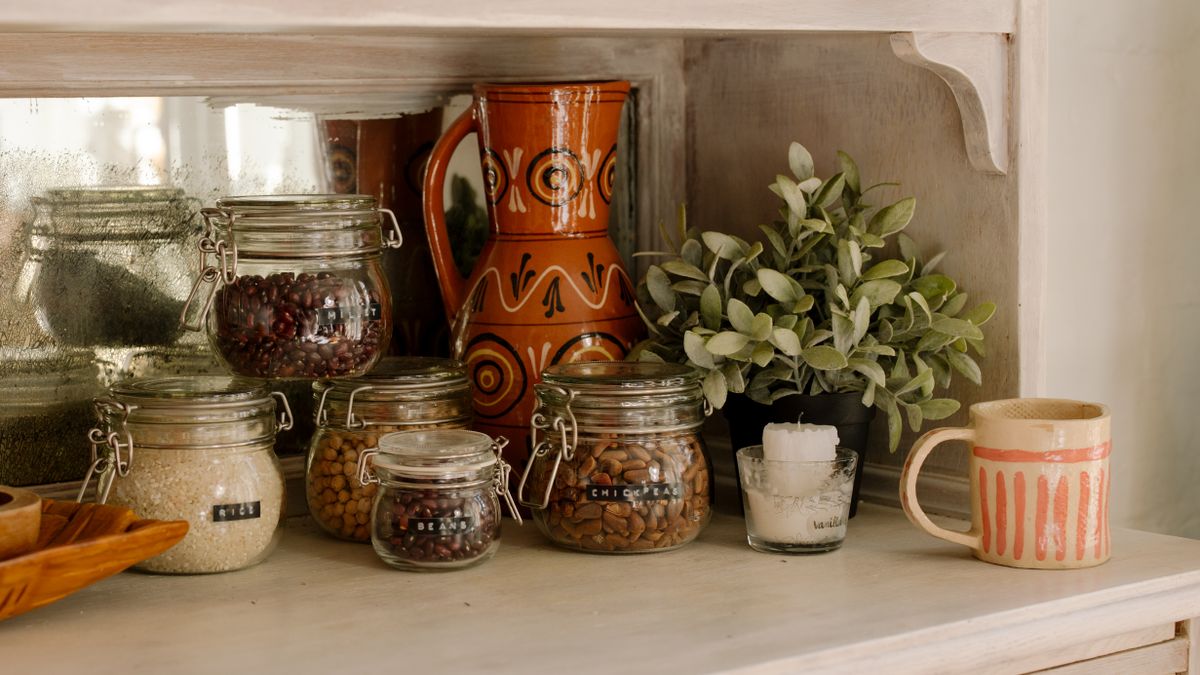
Houseplants earn their keep in winter. When the garden is bare and the light is grey, a windowsill of glossy leaves is quietly cheering. But the conditions that make our homes cosy for us — warmth, closed windows, radiators — are not always what tropical plants signed up for. The good news is that a handful of small adjustments will carry most indoor plants through to spring in good shape.
Light is the big one. A south-facing windowsill that blazes in June might receive a fraction of that intensity in December, and the days are short on top of it. Even a bright room can feel like deep shade to a plant that evolved under a forest canopy.
At the same time, central heating drops indoor humidity — often to 30 or 40 per cent, when most tropical houseplants prefer 50 to 60. Add cooler glass at night and warm dry air by day, and you have a recipe for yellowing leaves, crispy tips and stalled growth.
The key thing to remember is that most houseplants slow down in winter. They are not being difficult; they are resting. Match your care to that slower pace and you will avoid most of the usual winter casualties.
More houseplants are lost to overwatering in winter than to anything else. Compost that dried out in three days in July may stay damp for a fortnight in January, and roots sitting in cold, wet soil rot quickly.
If a plant looks limp, resist the urge to water immediately. Check the compost first — wilting can mean too wet as easily as too dry.
Plants that were perfectly happy a metre from the window in summer often need to be right up against the glass by December. Aim to get foliage within 30 to 60 centimetres of the pane, and clean the windows — grime and condensation can cut light noticeably.
Dusty leaves cannot photosynthesise efficiently, and in low winter light you cannot afford to lose any. Wipe both sides of each leaf every couple of weeks with a soft damp cloth and tepid water, supporting the leaf with your other hand so you do not snap the stem. Fuzzy-leaved plants such as African violets are best cleaned with a soft brush instead.
Misting gives only a brief boost, but it is better than nothing. More effective are a pebble tray topped up with water, grouping plants closely, or running a humidifier in the room. Keep foliage clear of radiators, and move plants out of draughty hallways and doorways — cold blasts cause leaf drop almost overnight.
From roughly October to March, most houseplants are not growing enough to use fertiliser. Feeding a resting plant leaves salts building up in the compost, which damages roots and scorches leaf tips. Hold off until you see fresh growth in spring, unless a plant is actively pushing out new leaves under a grow light.
Repotting is best left until March too. Disturbing roots when a plant is not in growth is stressful, and fresh compost around idle roots stays wet for longer. The exception is a genuine emergency: waterlogged, smelly compost or roots that are clearly rotting. In that case, repot into dry, free-draining compost and water sparingly for a few weeks. If you cannot wait, at least keep the plant warm and out of direct sun while it settles.
Warm, dry, still air is paradise for spider mites, mealybug, scale and fungus gnats. Check the undersides of leaves and the joints where leaves meet stems once a week. A damp cloth lifts most pests off, and a dab of diluted insecticidal soap deals with the rest. New plants should be kept apart from the rest for a fortnight before joining the fold.
Expect slower growth, fewer new leaves and the odd tatty old one. That is normal. Keep the watering light, the light bright and the leaves clean, and by the time the days lengthen again your plants will be ready to put on a proper show.

Hi, my name is Anthony kuber. I am artist and fashion designer.
I love to travel and writing blogging.
Your email address will not be published. Required fields are marked *
Software Developer & Writer
Hey, I'm Diva, a developer and writer blending code and creativity. I'm driven by a deep curiosity and a relentless pursuit of excellence. Join me as I craft digital solutions and captivating stories.


