
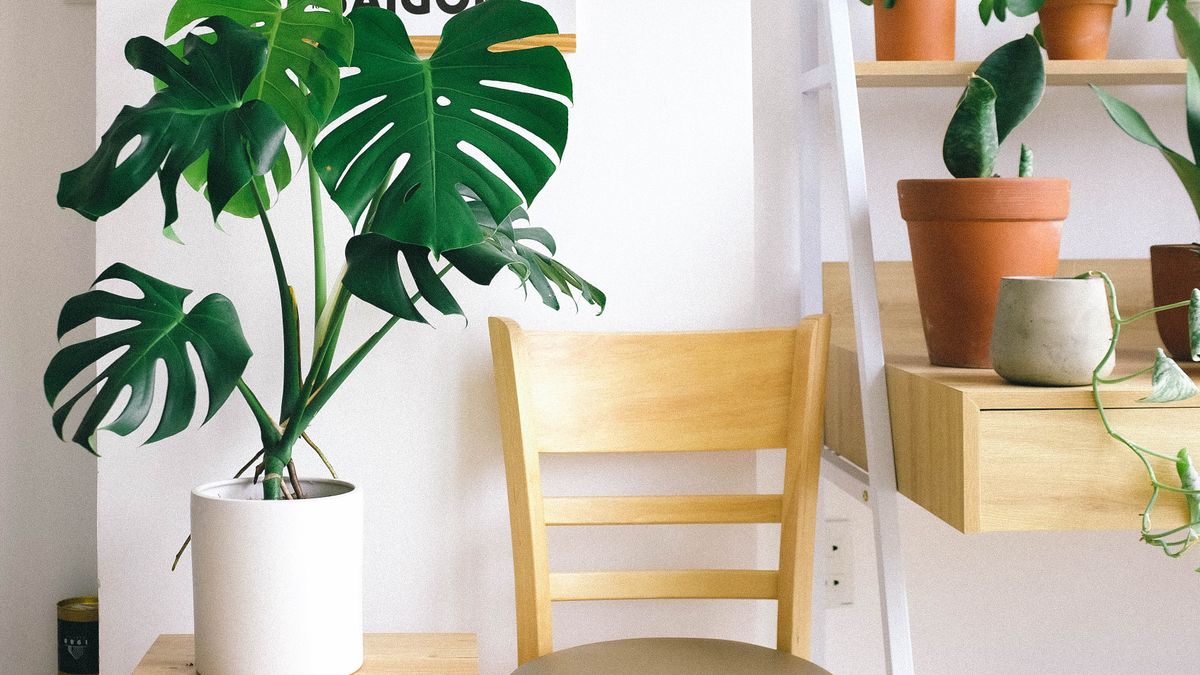
Every balcony has its own personality, and the most successful city gardens are the ones that work with the space rather than against it. Before you order anything, spend a week or two simply watching. Which way does your balcony face? A south-facing spot will bake in summer and needs plants that shrug off heat, while a north-facing balcony stays cool and shaded, suiting salads, mint and ferns far better than sun-loving lavender.
Wind matters just as much as light. On an upper floor, gusts can be noticeably stronger than at street level, and they dry out compost, snap stems and shred leaves. Notice where the wind hits hardest — often the outer edge and the corners — and plan to keep your most delicate plants tucked into the sheltered zone nearest the building.
Weight is the other big consideration. Compost is heavy once it is wet, and a large pot can easily become a two-person lift. If you rent, check your tenancy agreement before drilling into walls or attaching anything to the railing, and speak to your landlord or managing agent if you are unsure. As a rule, keep the heaviest pots close to the wall, where the structure is strongest, and keep the outer edge light.
Traditional terracotta looks lovely but weighs a great deal, especially once planted and watered. For balcony growing, lighter materials are your friend:
Size matters more than you might expect. A 30cm pot holds enough compost to support a decent bush tomato or a compact rose, while a 20cm pot is better suited to a single herb. Resist the temptation to cram everything into small pots; plants in cramped containers dry out fast and never really thrive. Always use fresh, peat-free multipurpose compost and make sure every pot has drainage holes — waterlogged roots are the quickest way to lose a plant.
Finally, think about the neighbours below. Saucers, drip trays or a simple length of capillary matting under your pots will stop muddy water staining their patio or window boxes.
When floor space is measured in centimetres, the walls and railings become your greatest asset. Vertical growing keeps the walkway clear and makes the whole balcony feel lush rather than cluttered.
Keep the outer half of the balcony lower and lighter, and let height build up towards the wall. This creates a sense of depth, protects taller plants from the wind and keeps your sightline open when you are sitting out with a cup of tea.
Herbs are the perfect starting point for a city balcony: useful, fragrant and, in many cases, remarkably tough. The following cope well with breezy, exposed conditions:
Avoid tall, top-heavy plants in exposed spots — sunflowers and climbing tomatoes will need staking, and even then may sulk. If you want flowers, look to geraniums, violas, nasturtiums and compact dahlias, all of which hold up well in a breeze.
Containers dry out far faster than garden borders, and a windy balcony dries them faster still. In summer, check your pots daily — push a finger into the compost and water if the top couple of centimetres feel dry. Water thoroughly until it runs out of the drainage holes rather than giving a light sprinkle, and water in the early morning or evening to reduce evaporation.
Mulching the surface with gravel or bark chips slows moisture loss and keeps the compost looking tidy. From spring to late summer, feed hungry flowering and fruiting plants with a liquid tomato feed every week or two. Deadhead regularly to keep flowers coming, and snip herbs often — pinching out the tips makes plants bushier and gives you something for dinner.
Come autumn, move tender pots against the wall for a little extra warmth, and consider wrapping them in fleece if a sharp frost is forecast. City balconies are usually a degree or two milder than the surrounding countryside, which gives you a small but genuine advantage.
A balcony garden should be more than a plant collection. Leave enough room for a small folding chair or a bistro table, and choose scented plants — lavender, rosemary, night-scented stock — that you can brush past on the way in. A string of warm-white solar lights, a candle lantern and a couple of cushions will turn the space into somewhere you linger on a warm evening, even in the middle of the city.
Start small, plant what you love, and add a pot or two each season. Within a year, that modest strip of concrete will feel like a proper retreat.

Hi, my name is Anthony kuber. I am artist and fashion designer.
I love to travel and writing blogging.
Your email address will not be published. Required fields are marked *
Software Developer & Writer
Hey, I'm Diva, a developer and writer blending code and creativity. I'm driven by a deep curiosity and a relentless pursuit of excellence. Join me as I craft digital solutions and captivating stories.


